A Stylist's Guide To Changing Your Hair Colour
They say when you change your hair, you also change your life. This is why I like to spend as much time as I can consulting with my clients before I put them “under the cloak”.
Also, the bigger the change, the harder it is to reverse. I like for people to know exactly what they’re getting into. I’m very German in that way.
During the consultation we’ll talk about the look you want, but also your lifestyle, your wardrobe, and what you consider ‘high-maintenance’ haircare (for some people a seasonal appointment is a big ask, but for others it’s perfectly normal).
We’ll also talk about your hair history. We might need to go back years to uncover previous colours, damage, treatments and even (gasp!) box dyes. Honestly though, no shame – it’s just important to tell your hairdresser if you’ve used an at-home colour kit, as it can affect what is achievable. I’m all about being real with my clients, and that goes both ways. When everything is on the table at the start, you’ll leave looking the way we both imagined.
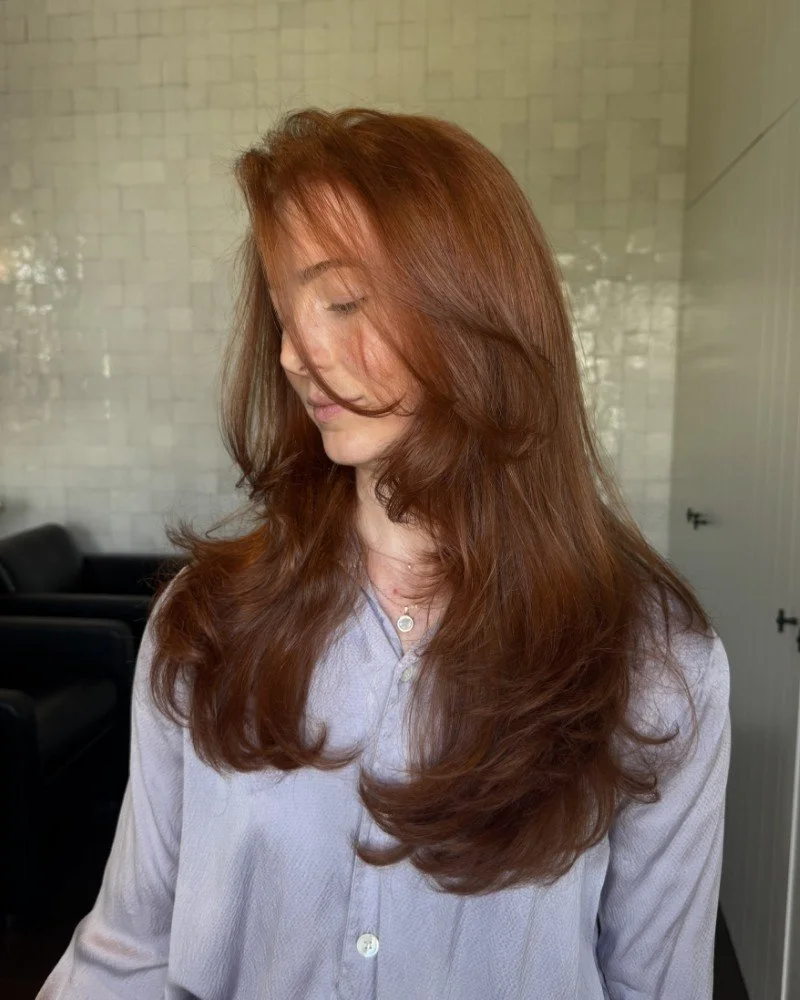
I’m also very straightforward when it comes to discussing your overall look. How you dress, your complexion and your eye colour all contribute to finding the best shade for you. Sometimes, people bring in references that look great on paper, but the model has a completely different skin tone. I always think about cohesion when it comes to my clients and their hair colour. Thankfully, everyone has appreciated that!
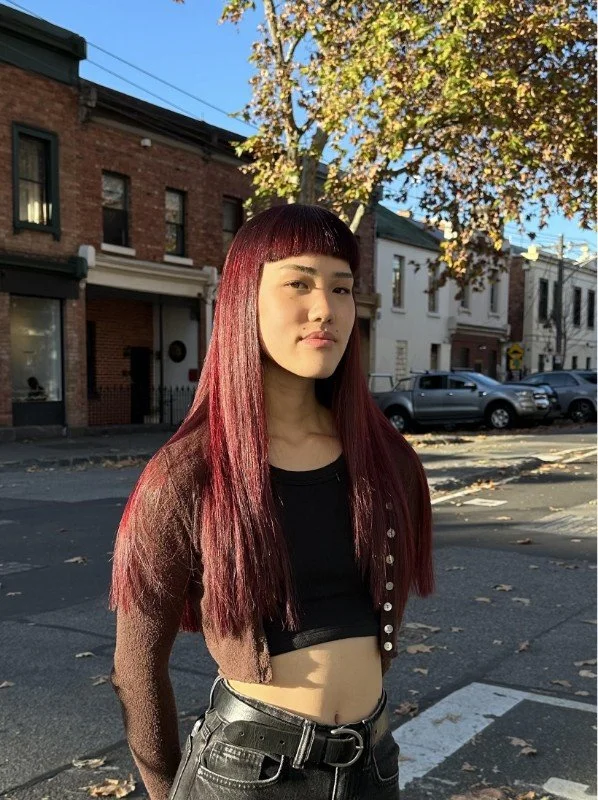
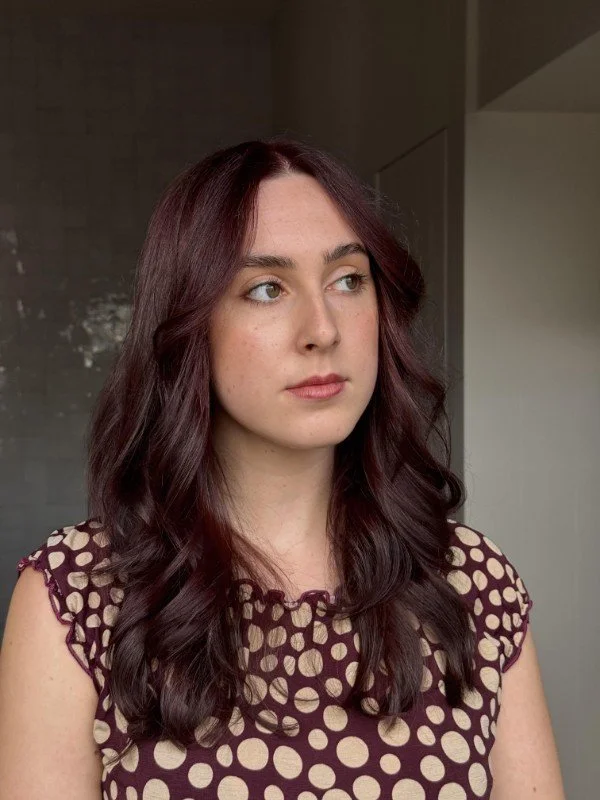
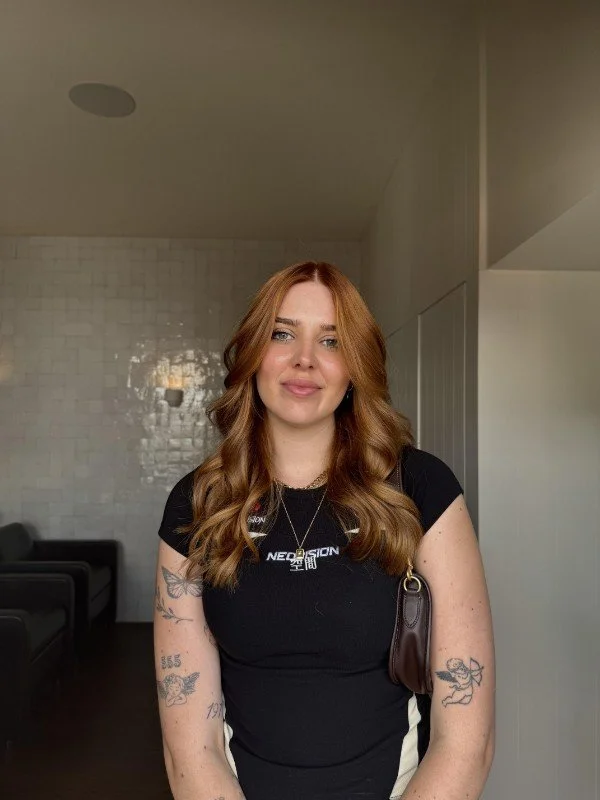
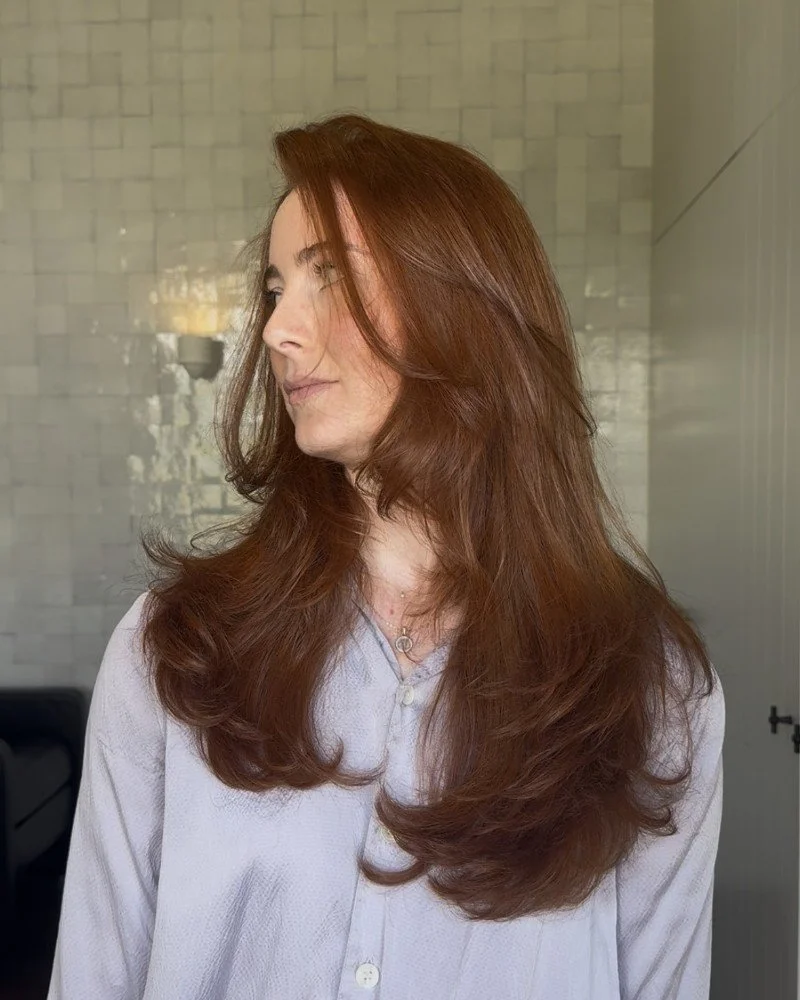
If you’re an active person who sweats and washes your hair a lot, going lighter can be a great option. Blonde hair can tend toward the dry side so it absorbs more natural oils, meaning you can wash it less. On the flipside, you’ll likely find higher-pigment colours like violet, copper or red harder to maintain, as all that washing strips the colour faster.
Then there’s aftercare. Ultimately you want to wash coloured hair as little as possible, and stay out of the sun. It might be controversial, but I’m not a fan of pigmented shampoo – it adds a little colour with each wash but can be very drying. Aside from a good shampoo and conditioner that suits your hair type, all you need is a leave-in product. If you really want to push the boat out, add the hairdresser’s best friend: dry shampoo.
Good haircare doesn’t mean an excessive amount of product. Ask your stylist questions. We will tell you exactly what you need. That’s it! Shampoo, condition, leave-in, and I’ll see you in 3 months.